
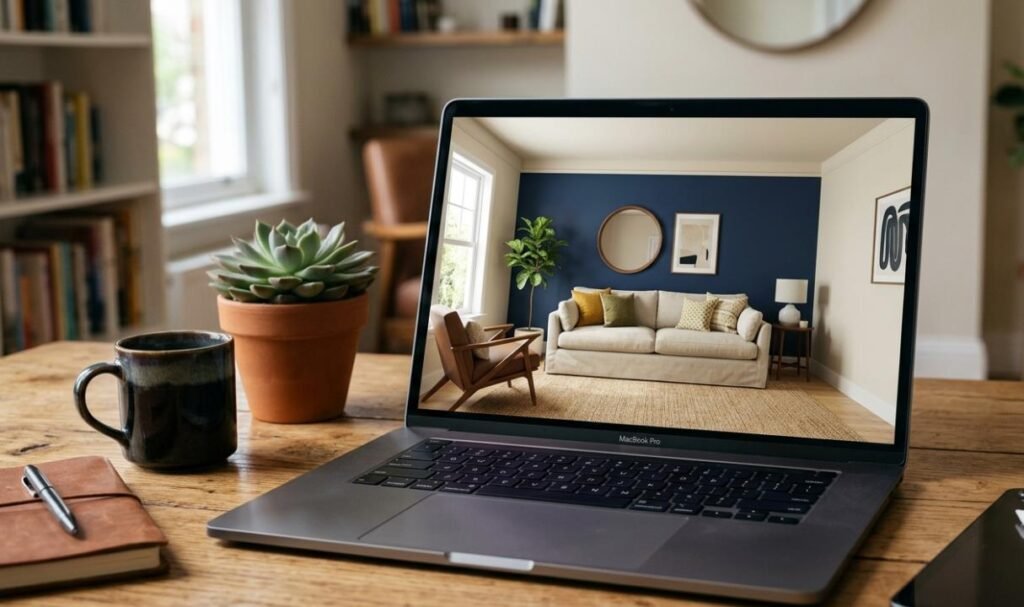
Living room wall colour combination can completely transform the atmosphere of your home. The living room is often the heart of the house—a place where families gather, guests are entertained, and daily life unfolds. Because of this, the colours you choose for your walls play a significant role in setting the mood, enhancing comfort, and reflecting your personal style.
Interior design trends are shifting toward balanced, nature-inspired palettes that combine timeless elegance with modern sophistication. Homeowners are increasingly looking for colour combinations that not only look beautiful but also create functional, welcoming spaces.
living room wall colour combination can make a small room appear larger, brighten dark spaces, highlight architectural features, and complement your furniture and décor. However, with countless options available, selecting the perfect palette can feel overwhelming.
What Makes a Great Living Room Wall Colour Combination?
Before exploring specific colour pairings, it’s important to understand what separates a good colour combination from a great one.
Understanding Colour Psychology
Colours influence emotions more than many homeowners realize.
- Warm colours such as beige, terracotta, and soft yellow create comfort and energy.
- Cool colours such as blue, green, and grey promote calmness and relaxation.
- Neutral colours provide flexibility and timeless appeal.
- Dark colours add drama and sophistication when used correctly.
The most successful living room wall colour combination balances visual appeal with the emotional atmosphere you want to create.
Read More: Technewztop App: Complete Guide for New Users
Factors to Consider Before Choosing Wall Colours
Room Size: Light colours make rooms feel larger and more open, while darker colours create intimacy and coziness.
Natural Lighting: Rooms with abundant sunlight can handle deeper tones, while darker rooms often benefit from brighter shades.
Furniture and Décor: Wall colours should complement existing furniture rather than compete with it.
Ceiling Height: Lighter wall colours can create the illusion of higher ceilings and more spacious interiors.
Lifestyle Needs: Families with children may prefer forgiving neutral tones, while design enthusiasts might embrace bold statement colours.
The 60-30-10 Rule for Perfect Colour Balance
Professional interior designers frequently use the 60-30-10 rule:
- 60% dominant colour (walls)
- 30% secondary colour (furniture)
- 10% accent colour (decorative accessories)
Applying this principle ensures that your living room wall colour combination feels balanced and visually appealing.
Stunning Living Room Wall Colour Combination Ideas for 2026
Beige and Warm White
Beige and warm white continue to dominate modern interior design because of their versatility and timeless elegance. This combination creates a bright yet cozy environment that works beautifully with almost every decorating style. Why It Works
- Reflects natural light effectively
- Creates an airy atmosphere
- Complements wood, metal, and fabric finishes
- Easy to update with seasonal décor
Best Furniture Pairings
- Oak furniture
- Linen sofas
- Natural wood coffee tables
- Rattan accessories
This living room wall colour combination is especially suitable for homeowners seeking a classic look that won’t feel outdated in a few years.
Sage Green and Cream
Nature-inspired colours continue to trend strongly in 2026, and sage green remains one of the most popular choices. When paired with cream, sage green creates a soothing and sophisticated environment that feels connected to nature. Why Homeowners Love It
- Promotes relaxation
- Works in both modern and traditional homes
- Creates a fresh and healthy atmosphere
Styling Tips
- Add indoor plants
- Incorporate natural wood elements
- Use woven textures for added warmth
Among modern colour palettes, this living room wall colour combination offers one of the best balances between trendiness and timeless appeal.
Navy Blue and Soft Grey
For homeowners who want a more dramatic appearance, navy blue paired with soft grey delivers exceptional sophistication. The deep richness of navy creates depth, while grey softens the overall effect. Benefits:
- Creates a luxurious feel
- Suitable for contemporary interiors
- Provides excellent contrast
Design Recommendation: Use navy as a feature wall and soft grey on surrounding walls to avoid making the room feel too dark.
Charcoal Grey and White
Minimalist interiors continue to influence design trends in 2026. Charcoal grey paired with crisp white creates a modern aesthetic that feels both elegant and professional. Best For:
- Urban apartments
- Contemporary homes
- Minimalist interiors
Expert Tip: Introduce natural textures such as wood flooring or woven rugs to prevent the space from feeling cold. This living room wall colour combination works particularly well in homes with large windows and abundant natural light.
Dusty Pink and Warm Taupe
Dusty pink has evolved from a trend colour into a sophisticated neutral alternative. Combined with warm taupe, it creates a refined and welcoming atmosphere. Advantages:
- Soft and elegant
- Works well in modern luxury interiors
- Adds warmth without overwhelming the room
Décor Suggestions
- Gold accents
- Velvet cushions
- Soft lighting fixtures
Olive Green and Beige
Olive green continues to gain popularity among homeowners seeking earthy and organic interior styles. Pairing olive green with beige creates depth while maintaining warmth and comfort. Why It Stands Out:
- Inspired by natural landscapes
- Works across multiple design styles
- Creates a calming environment
This living room wall colour combination is particularly effective in homes with wooden flooring and abundant natural materials.
Terracotta and Ivory
Terracotta remains one of the most influential colour trends entering 2026. Its rich earthy tones create warmth, while ivory keeps the palette balanced and bright. Ideal For
- Mediterranean-inspired interiors
- Bohemian living rooms
- Rustic modern homes
Styling Ideas
- Clay pottery
- Wooden furniture
- Textured fabrics
- Woven baskets
The combination feels welcoming and adds character without becoming overwhelming.
Popular Living Room Colour Combinations
| Colour Combination | Style | Best For | Mood Created |
| Beige & Warm White | Timeless | Small Rooms | Calm & Bright |
| Sage Green & Cream | Natural | Family Homes | Relaxing |
| Navy Blue & Grey | Contemporary | Large Rooms | Sophisticated |
| Charcoal Grey & White | Modern | Urban Homes | Elegant |
| Dusty Pink & Taupe | Luxury | Stylish Interiors | Warm |
| Olive Green & Beige | Organic | Nature-Inspired Homes | Peaceful |
| Terracotta & Ivory | Rustic Modern | Cozy Living Rooms | Inviting |
Best Living Room Wall Colour Combinations by Room Size
For Small Living Rooms
Small living rooms benefit from lighter palettes that maximize light reflection. Recommended options include:
- Beige and white
- Sky blue and white
- Sage green and cream
- Soft grey and ivory
These colours help create a more spacious visual effect.
For Medium-Sized Living Rooms
Medium-sized spaces provide greater flexibility. Popular options include:
- Olive green and beige
- Navy blue and grey
- Dusty pink and taupe
These combinations introduce character without making the room feel cramped.
For Large Living Rooms
Large spaces can successfully accommodate darker and richer colours. Excellent choices include:
- Charcoal grey and white
- Emerald green and neutral gold
- Navy blue and grey
- Terracotta and ivory
Darker shades help large rooms feel more intimate and comfortable.
Sky Blue and Crisp White
Sky blue paired with crisp white creates a fresh, airy, and uplifting environment. This combination works especially well in apartments and smaller homes where maximizing brightness is important. Why It Works:
- Makes rooms appear larger
- Reflects natural light effectively
- Creates a calm and peaceful atmosphere
Best Decor Pairings
- White furniture
- Light oak wood finishes
- Coastal-inspired accessories
Teal and Light Grey
Teal adds richness and personality without feeling overwhelming. When balanced with light grey, it creates a sophisticated modern living space. Advantages:
- Strong visual interest
- Contemporary appeal
- Suitable for accent walls
To enhance this living room wall colour combination, incorporate metallic accents such as brass lamps or gold-framed artwork.
Chocolate Brown and Cream
Chocolate brown and cream remain a timeless pairing for cozy interiors. The richness of brown creates depth, while cream prevents the room from feeling too dark. Best For:
- Traditional homes
- Large family living rooms
- Spaces with wooden furniture
The result is a warm and inviting atmosphere that feels comfortable throughout the year.
Lavender and Soft White
Lavender has become increasingly popular as homeowners seek alternatives to standard neutrals. Soft white balances lavender’s subtle character and keeps the room feeling open.
Styling Tips
- Add silver accents
- Use soft textiles
- Incorporate natural lighting
This elegant living room wall colour combination offers a unique yet timeless aesthetic.
Mustard Yellow and Grey
For homeowners looking to add energy and personality, mustard yellow paired with grey provides the perfect balance. Why Homeowners Choose It
- Adds warmth and vibrancy
- Creates visual contrast
- Complements contemporary furniture
Use mustard yellow selectively to avoid overwhelming the space.
Black and Warm White
Black walls are no longer reserved for commercial spaces. When combined with warm white, black can create a luxurious and dramatic living room. Professional Recommendation
- Use black as a feature wall
- Ensure sufficient natural lighting
- Balance with warm textures
This bold living room wall colour combination works particularly well in modern luxury homes.
Peach and Beige
Peach introduces warmth and friendliness while beige keeps the design grounded and versatile. Ideal For
- Family homes
- Transitional interiors
- Bright living spaces
The combination feels welcoming and creates a comfortable environment for everyday living.
Emerald Green and Gold-Toned Neutrals
Among premium design trends for 2026, emerald green stands out as one of the most luxurious choices. Why Designers Love It:
- Creates depth and elegance
- Works beautifully with metallic accents
- Offers a timeless statement look
Pair emerald green walls with gold-toned neutrals for a sophisticated living room wall colour combination that feels professionally designed.
Living Room Colour Trends Dominating 2026
Interior designers are observing several key trends that influence the most popular living room wall colour combination choices.
Earth-Inspired Tones: Colours inspired by nature continue to dominate interior design. Shades such as olive green, terracotta, beige, and clay create warmth and authenticity.
Warm Neutrals Replacing Cool Greys: While grey remains popular, warmer alternatives such as taupe, cream, and greige are becoming increasingly preferred.
Biophilic Design Influence: Many homeowners are selecting colours that strengthen the connection between indoor and outdoor environments. Greens, earthy browns, and muted blues reflect this growing trend.
Statement Accent Walls: Accent walls remain relevant when used thoughtfully. Deep navy, emerald green, charcoal, and black are among the leading choices.
Conclusion
Living room wall colour combination is about more than following trends—it’s about creating a space that feels comfortable, functional, and uniquely yours. Whether you prefer the calming elegance of sage green and cream, the sophistication of navy and grey, or the warmth of terracotta and ivory, the best choice is one that suits your lifestyle, lighting, and décor.
By understanding colour psychology, room proportions, and current design trends, you can confidently select a living room wall colour combination that enhances your home’s beauty for years to come. Use these 2026-inspired ideas as a starting point, test samples carefully, and create a living room that welcomes, inspires, and reflects your personal style.
FAQs
Q1: What is the best living room wall colour combination for 2026?
Ans: Sage green and cream, beige and warm white, and emerald green with gold-toned neutrals are among the most popular choices. These combinations balance modern trends with timeless appeal.
Q2: Which colours make a living room look bigger?
Ans: Light colours such as white, cream, soft grey, sky blue, and beige reflect more light and create the illusion of a larger, more open space.
Q3: How many colours should a living room have?
Ans: Most designers recommend following the 60-30-10 rule, using three primary colours to create a balanced and visually appealing design.
Q4: Are accent walls still popular in 2026?
Ans: Yes. Accent walls remain a popular design feature, especially in shades like navy blue, emerald green, charcoal grey, and black.
Q5: What wall colours work best with wooden furniture?
Ans: Beige, cream, sage green, olive green, terracotta, and warm white pair exceptionally well with both light and dark wood furniture.
Q6: Should living room wall colours match the rest of the house?
Ans: They do not need to match exactly, but maintaining a cohesive colour palette throughout the home creates better visual flow and harmony.
Q7: What is the most timeless living room wall colour combination?
Ans: Beige and warm white remain one of the most timeless options because they complement nearly every interior style and décor trend.