
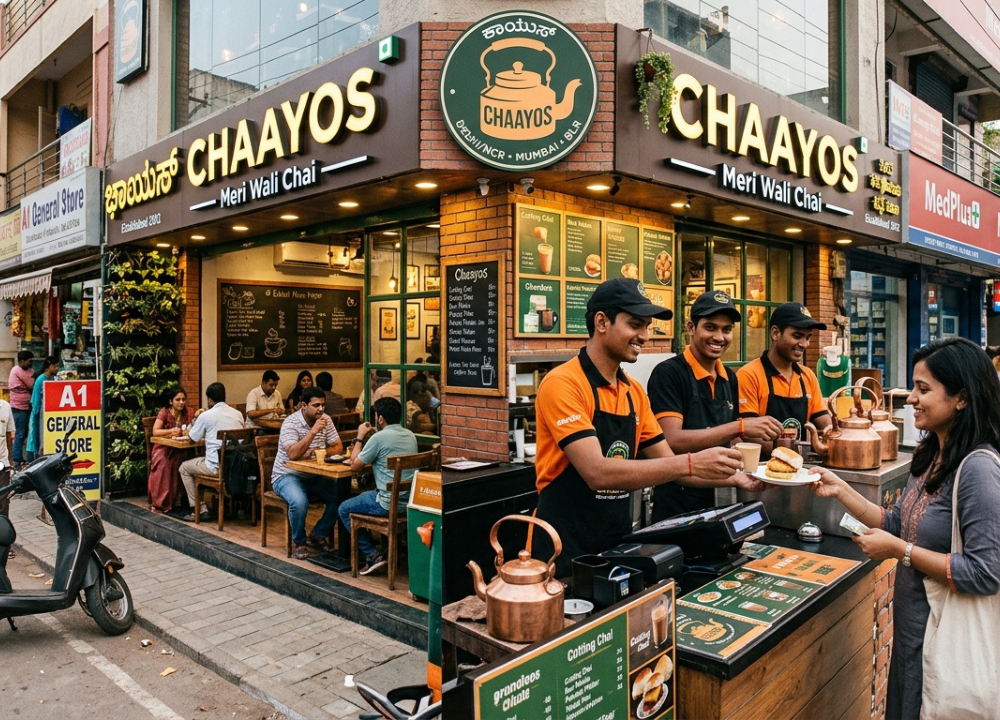
Starting a business can be exciting, but building everything from scratch often requires considerable time, research, and trial and error. This is one reason a small franchise business in India can appeal to first-time entrepreneurs. Instead of developing a brand, operating system, and customer strategy entirely on your own, a franchise may provide access to an established business model and structured support.
However, buying a franchise is not automatically a shortcut to success. Every opportunity comes with costs, contractual obligations, competition, and business risks. The right choice depends on your budget, location, skills, customer demand, and ability to manage day-to-day operations.
What Is a Small Franchise Business in India?
A small franchise business in India is a business operated by an individual or small team under the brand, systems, and guidelines of an established franchisor. The franchisee generally pays an initial fee and may also pay ongoing royalties or other charges in exchange for the right to operate under the brand. The exact arrangement varies between companies. Some franchises require a physical store, while others can operate from a small office, service location, kiosk, or home-based setup.
The important point is that the franchisee is still running a business. A recognizable brand may provide advantages, but it does not remove the responsibility of controlling expenses, serving customers, managing employees, and generating sales.
How Does a Franchise Business Work?
The franchisor owns the brand and business system. The franchisee receives permission to use that system according to the terms of a franchise agreement.
Depending on the business, the franchisor may provide:
- Brand identity and marketing materials
- Initial and ongoing training
- Operating procedures
- Supplier relationships
- Technology or business-management systems
- Product or service standards
- Advertising support
- Guidance during setup
Why Do Beginners Consider Franchises?
Starting an independent business means developing a brand, testing products, creating procedures, finding suppliers, and building customer awareness. A franchise can reduce some of these challenges by providing an existing framework. For beginners, this structure can be useful when they want guidance but still want to own and operate a business. The level of support, however, differs substantially between franchise brands, so it should always be investigated before signing an agreement.
Types of Small Franchise Businesses to Consider in India
There is no single category that is best for everyone. Different industries have different investment requirements, customer profiles, margins, regulations, and operating challenges.
Food and Beverage Franchises
Food businesses are among the most visible franchise models. Small formats can include cafés, beverage outlets, quick-service restaurants, bakeries, snack counters, and dessert shops. These businesses can benefit from repeat customers and strong local demand, but location is extremely important. Rent, food waste, staffing, delivery commissions, utilities, and inventory costs can significantly affect profitability.
Education and Training Franchises
Education-related franchises may include tutoring centers, preschool programs, coaching services, language training, computer education, or professional skills programs. These businesses can work well in areas with suitable student populations and demand for supplemental education. However, the quality of teachers, local competition, curriculum, reputation, and regulatory requirements should be carefully assessed.
Retail Franchises
Retail opportunities can range from specialty stores to convenience-oriented businesses. A franchise may provide established products, branding, merchandising guidance, and supplier relationships.The main challenges can include inventory investment, rent, unsold stock, competition, and changing customer preferences. A strong retail location does not necessarily guarantee success. You also need to understand the purchasing power and shopping habits of the local market.
Service-Based Franchises
Service franchises can sometimes require less physical inventory than traditional retail businesses. Examples may include cleaning, laundry, repair, maintenance, business support, beauty, or other consumer services. The economics depend heavily on staffing, service quality, customer retention, travel costs, and local demand.
Healthcare and Wellness Franchises
Healthcare, fitness, wellness, and diagnostic-related opportunities can attract customers seeking specialized services. However, businesses in regulated sectors may have additional licensing, qualification, safety, or compliance requirements. Never assume that a franchise brand’s support eliminates your legal responsibilities. Check the requirements that apply to the specific service and location.
Logistics and Delivery Franchises
The growth of online commerce has increased demand for delivery and logistics services. Smaller franchise formats may focus on local collection, distribution, courier support, or related services. Before investing, evaluate the territory, expected shipment volume, staffing needs, transportation expenses, and competition from established logistics providers.
How Much Does a Small Franchise Business in India Cost?
There is no universal price for a small franchise business in India. Investment can vary widely according to the brand, sector, city, business format, premises, equipment, and working-capital requirement. A common mistake is to look only at the advertised franchise fee. That figure may represent only one part of the total investment.
Initial Costs to Consider
Depending on the business model, initial expenses may include:
- Franchise or license fee
- Security deposit
- Shop or office rent
- Interior and renovation costs
- Equipment
- Furniture
- Technology
- Initial inventory
- Signage and branding
- Licenses and registrations
- Launch marketing
- Professional fees
Ongoing Operating Costs
Once the business opens, expenses continue. These may include rent, employee salaries, utilities, inventory, maintenance, marketing, technology subscriptions, transportation, royalties, and other fees. Understanding these recurring costs is essential because a business can generate substantial revenue and still struggle if its operating expenses are too high.
Working Capital Matters
Working capital is the money available to cover normal business expenses while the business is operating. A new franchise may need several months to develop a stable customer base. Having sufficient working capital gives the owner more flexibility during this period. Avoid putting every available rupee into the initial setup. A reserve for operating expenses and unexpected costs can be just as important as the opening investment.
How to Choose the Right Small Franchise Business in India
Choosing a franchise should be treated as a business decision rather than an emotional purchase. A popular brand may look attractive, but its model may not suit your budget, skills, or local market.
Start With Your Budget
Determine how much capital you can realistically commit without creating excessive financial pressure.
Separate your available money into:
- Initial setup investment
- Working capital
- Emergency reserve
- Possible marketing expenses
Research the Franchise Brand
Investigate the franchisor’s history, business model, reputation, support system, and existing franchise network. Look for transparent information about fees and operating requirements. Where possible, speak with existing franchisees and ask about their actual experience rather than relying only on promotional material.
Study the Local Market
Local demand matters more than national popularity in many small businesses.
Consider:
- Population and demographics
- Customer purchasing power
- Existing competitors
- Foot traffic
- Parking and accessibility
- Nearby businesses
- Local rent
- Customer preferences
Read the Franchise Agreement Carefully
The franchise agreement is one of the most important documents in the entire process.
Pay attention to:
- Contract duration
- Renewal terms
- Franchise fees
- Royalty payments
- Marketing contributions
- Territory restrictions
- Supplier requirements
- Operating standards
- Termination conditions
- Transfer or resale provisions
Steps to Start a Small Franchise Business in India
A small franchise business in India can be approached through a structured process that reduces avoidable mistakes.
Step 1: Select a Suitable Industry
Choose an industry that matches your budget, interests, experience, and local demand. Do not select a business solely because someone claims it is profitable.
Step 2: Shortlist Several Franchise Brands
Compare multiple opportunities. Look at investment requirements, support, fees, territory, brand reputation, and business format. Creating a comparison sheet can make differences easier to identify.
Step 3: Request Official Information
Contact the franchisor directly and request information about the investment, agreement, training, operating requirements, and expected expenses. Be cautious when information is vague or when important financial details are difficult to obtain.
Step 4: Perform Due Diligence
Verify the information you receive. Research the company, inspect existing outlets when possible, talk with franchisees, and investigate customer feedback. Do not base a major investment decision on social-media posts or sales presentations alone.
Step 5: Choose a Location
For physical businesses, location can strongly influence sales. Compare potential locations based on visibility, accessibility, rent, nearby competitors, target customers, and expected foot traffic.
Step 6: Arrange Funding
Calculate the complete funding requirement rather than borrowing only for the franchise fee or store setup. Remember to include working capital and unexpected expenses.
Step 7: Complete Legal and Business Requirements
Depending on the business, you may need business registrations, tax-related registrations, local permissions, industry-specific licenses, leases, insurance, or other documentation. Requirements vary by business and location, so obtain appropriate professional guidance when necessary.
Advantages of a Small Franchise
One of the main advantages of a small franchise business in India is access to an established framework.
Established Brand Recognition
A recognized brand may make it easier for customers to understand what the business offers. However, brand recognition should be viewed as an advantage rather than a guarantee of sales.
Established Operating Procedures
A franchise can provide standardized processes for purchasing, customer service, marketing, employee training, and daily operations. This can be especially useful for entrepreneurs who have limited experience running a business.
Training and Support
Many franchisors provide some form of training and ongoing assistance. The quality and extent of that support can vary, so it should be confirmed in writing wherever possible.
Potentially Faster Setup
Because the business model already exists, the setup process may be more structured than developing an independent business from the beginning.
Disadvantages and Risks
A franchise also comes with limitations that should not be ignored.
Franchise Fees and Royalties
Initial fees and ongoing payments can reduce the amount of money available for other business expenses. Always calculate the total cost over time rather than focusing only on the opening fee.
Less Independence
Franchisees generally have to follow brand standards. You may have limited control over products, pricing, store design, suppliers, marketing, or operating procedures.
Financial Risk
Every business involves uncertainty. Sales projections may not match actual performance, and expenses can increase unexpectedly. A franchise should therefore be evaluated as an investment carrying risk, not as a guaranteed income source.
Small Franchise vs. Independent Business
The choice between a franchise and an independent business depends on how much structure and independence you want.
| Factor | Small Franchise | Independent Business |
| Brand recognition | Usually established | Must be developed |
| Business model | Existing framework | Created by owner |
| Training | Often provided | Owner arranges it |
| Marketing | May receive brand support | Owner manages it |
| Flexibility | More restricted | Usually greater |
| Franchise fees | May apply | Not applicable |
| Operating standards | Brand rules apply | Owner decides |
| Supplier options | May be restricted | Usually more flexible |
How to Evaluate Franchise Profitability
Profitability is one of the most important factors when considering a small franchise business in India. Start by estimating realistic monthly revenue. Then subtract the costs required to generate that revenue. A simplified calculation might look like this:
Net Profit = Revenue − Total Operating Expenses
Operating expenses may include rent, salaries, utilities, inventory, marketing, royalties, maintenance, taxes, and other costs.
Understand the Break-Even Point
The break-even point is the level at which total revenue covers total costs. A simplified formula is:
Break-Even Units = Fixed Costs ÷ Contribution Margin per Unit
For example, if a hypothetical business has fixed monthly costs of ₹2,00,000 and earns a contribution margin of ₹200 per sale, it would need 1,000 sales to cover those fixed costs. This is only an illustration. Actual franchise calculations should use the business’s real pricing, variable costs, fixed expenses, and expected sales.
Be Careful With Profit Projections
Projected returns should be treated as estimates, not promises. Ask how projections were calculated and whether they reflect actual performance from comparable outlets. Independent verification can help you distinguish realistic assumptions from overly optimistic sales presentations.
Common Mistakes to Avoid
Even a promising small franchise business in India can struggle when the owner overlooks basic business principles.
Choosing Only Because the Brand Is Popular
Popularity is useful, but it is not enough. A brand must also make sense for your location, budget, and target customers.
Ignoring Total Investment
Do not calculate affordability using only the franchise fee. Include setup, deposits, equipment, inventory, working capital, and recurring expenses.
Skipping Due Diligence
Always investigate the franchisor and understand the experience of existing franchisees.
Underestimating Location
A poor location can reduce customer traffic and increase marketing costs.
Expecting Fast Profits
Some businesses take time to reach stable sales. Prepare financially for a gradual start instead of assuming immediate returns.
Tips for Building a Strong Franchise
Managing a small franchise business in India successfully requires attention to both the brand’s system and the local market. Keep accurate financial records from the beginning. Monitor cash flow regularly and identify unnecessary expenses before they become significant. Train employees consistently and pay attention to customer service. Even a recognized brand can suffer if the local outlet provides a poor customer experience.
Questions to Ask a Franchisor Before Investing
Before committing to a small franchise business in India, prepare a list of direct questions for the franchisor.
Ask:
- What is the complete estimated investment?
- What does the franchise fee cover?
- Are there ongoing royalty payments?
- Are marketing fees mandatory?
- What training is included?
- What support is available after launch?
- Are there territory restrictions?
- What suppliers must be used?
- What are the renewal terms?
- What happens if the franchisee wants to exit?
- Can you speak with existing franchisees?
- What expenses are excluded from the advertised investment?
FAQs
Q1: What is a small franchise business in India?
Ans: A small franchise business in India is a business operated by a franchisee using an established company’s brand, systems, products, or services under a franchise agreement. The franchisee generally invests capital and follows the franchisor’s operating requirements.
Q2: How much money is needed to start a small franchise?
Ans: The amount varies widely by industry, brand, location, premises, equipment, and working-capital needs. Entrepreneurs should calculate the complete initial and ongoing costs instead of relying only on the advertised franchise fee.
Q3: Which franchise is best for beginners in India?
Ans: There is no universally best franchise for every beginner. The appropriate choice depends on your budget, skills, local demand, competition, operating requirements, and willingness to follow the franchisor’s system.
Q4: Is a small franchise business profitable in India?
Ans: A franchise can be profitable, but profitability is never guaranteed. Revenue, rent, staffing, inventory costs, royalties, customer demand, competition, location, and management quality can all affect financial performance.
Q5: What should I check before buying a franchise?
Ans: Check the total investment, recurring fees, franchise agreement, brand reputation, support system, territory terms, local competition, expected expenses, and feedback from existing franchisees. Independent professional advice can also be useful before signing a contract.
Final Thoughts
A small franchise business in India can be an interesting option for entrepreneurs who want to operate a business using an established brand and structured system. It can provide benefits such as training, standardized processes, marketing support, and an existing business framework. At the same time, a franchise is not a guaranteed path to profit. Investment costs, royalties, rent, competition, local demand, contractual restrictions, and management ability all matter. The smartest approach is to compare several opportunities, calculate the complete financial requirement, research the local market, examine the franchise agreement, and speak with existing franchisees before making a commitment.